

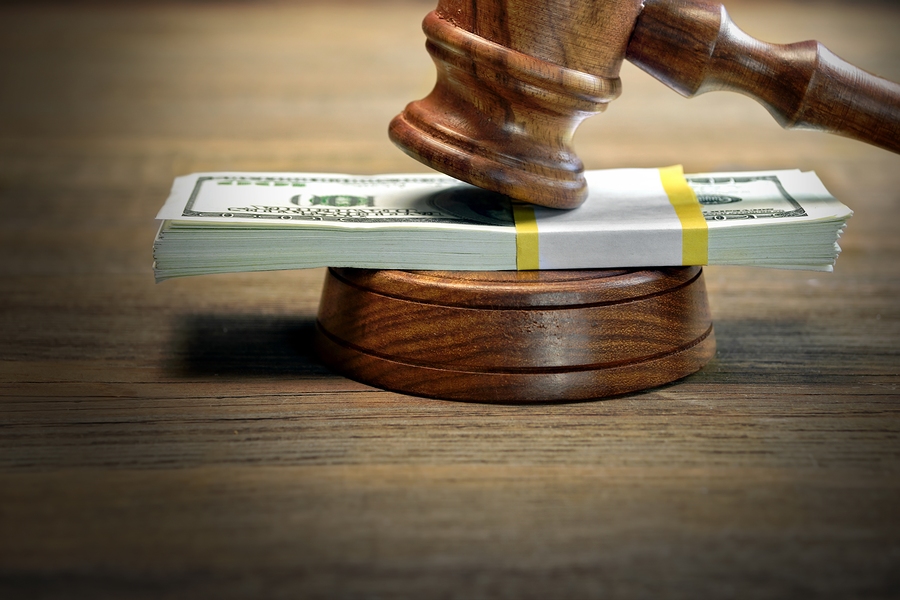
Being arrested or knowing someone who is can cause significant anxiety. Most people don’t know what to do if they or someone they love is ever arrested. If charges are filed, the defendant will attend a bail hearing. If defendants or someone they know have enough money to bail them out, this can be done at the courthouse, but if the bail is set too high, these individuals may need to seek out a bail bondsman.
About Bail
Bail is set by a judge during an initial hearing. It may also be based on a preset schedule. Bail is a type of incentive that is used to ensure that defendants show up to all their court dates. It is determined based on the type of crime, previous criminal history, ties to the community and other personal circumstances. For example, if defendants are the sole breadwinners for their households and they have children that they support, the judge may be more lenient. Employment also has a significant impact on bail.
About Bail Bonds
Before they search for local bail bondsmen, e.g., “Lancaster County bail bonds,” anyone posting bail should understand what a bond is and how it works. First, a bail bond is a surety bond. Defendants or their representatives put a percentage of the bail bond’s total down on the bond. This is typically 10%. These individuals typically have to provide collateral for the remaining total of the bond. Collateral may be real estate, vehicles, jewelry or other valuable assets.
After the bond is purchased, the bail bondsman goes to the courthouse and gets the accused released.
Bond Conditions
The court will require that the defendant do several things. First, these individuals cannot violate any other laws between when they are released and the end of their trials. They may also be ordered to take courses, such as anger management, parenting, drug and alcohol or other courses. Then, they must show up to all future scheduled hearings. If any of the court’s orders are violated, the accused will be immediately arrested and the bond is forfeited.
If the defendant follows the court’s direction, the full amount of bail is returned to the bondsman, but the individuals who purchase the bonds do not receive their money back. If the accused does not follow the court’s requirements, the bondsman can redeem the collateral to pay for the entire bond because the courts will not give them their money back at the end of the trial.
If you find yourself in a situation where you need to come up with bail, do your due diligence and find a reputable bondsman.