

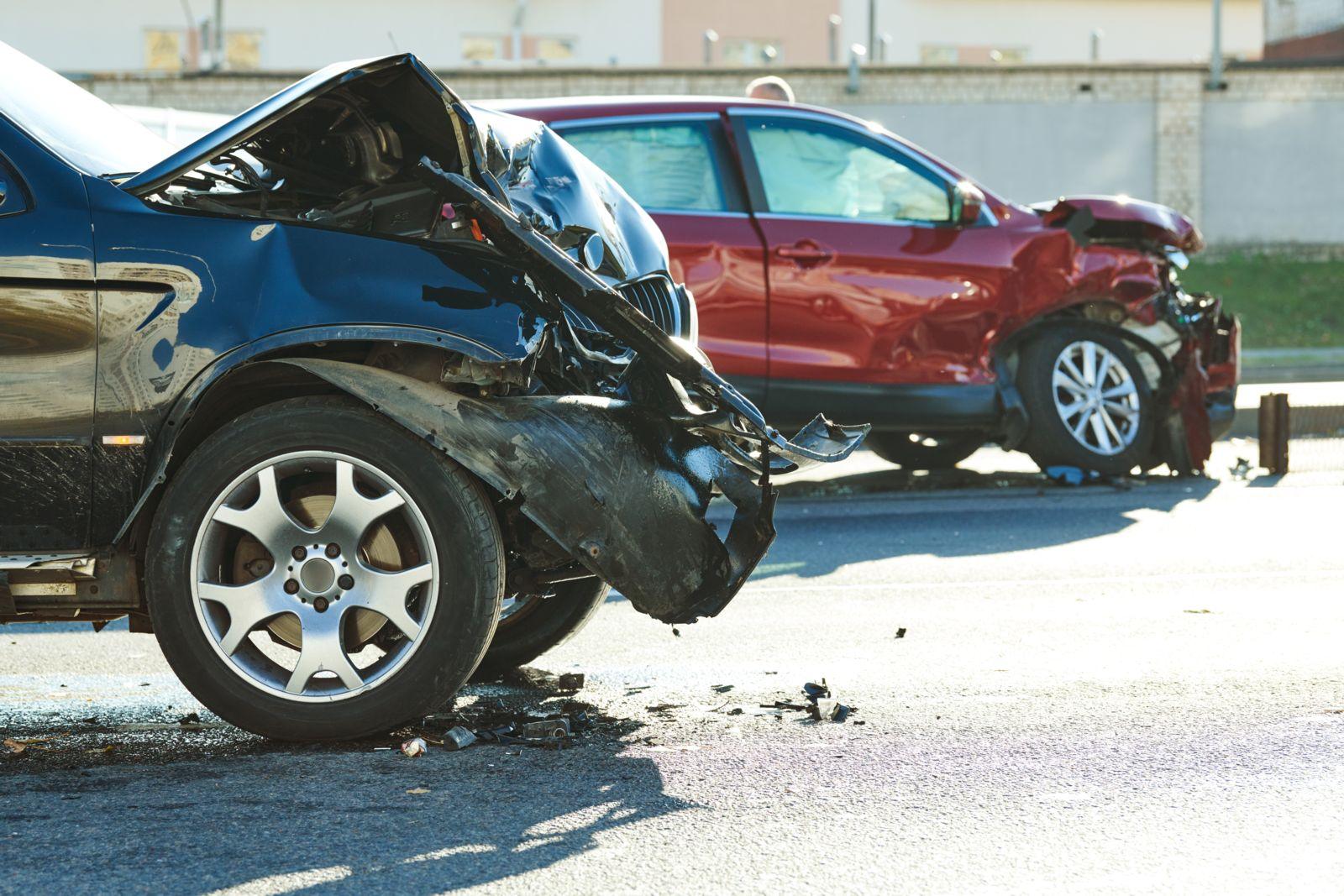
Car accidents can be disorienting and stressful, especially in a place like Anchorage, where unique factors such as icy roads, wildlife crossings, and unpredictable weather conditions come into play. Whether it’s a minor fender bender on Tudor Road or a serious collision on the Glenn Highway, knowing what to do after a car accident is crucial—not just for your safety, but for protecting your legal rights.
Here’s a step-by-step guide for Anchorage drivers who find themselves involved in a car accident.
1. Prioritize Safety First
Immediately after an accident, your first concern should be the safety of everyone involved.
- If the accident is minor and vehicles are operable, move them out of traffic to avoid further collisions.
- Turn on your hazard lights to alert other drivers.
- If anyone is injured, call 911 right away. Even if injuries seem minor, medical attention should not be delayed.
Alaska law requires you to stop at the scene of an accident, render aid if necessary, and exchange information with other drivers.
2. Call Law Enforcement
In Anchorage and throughout Alaska, you are legally required to report any accident that involves injury, death, or property damage exceeding $2,000.
- If police officers arrive, they will create an official accident report.
- Be calm and cooperative, but avoid admitting fault at the scene—even if you think you may be responsible. Fault is determined later, based on evidence and investigation.
If police do not respond to the scene, you must file an Alaska Motor Vehicle Crash Form with the Department of Motor Vehicles within 10 days of the accident.
3. Gather Key Information and Evidence
If you’re physically able, gather as much evidence at the scene as possible. This will be crucial if you need to file an insurance claim or pursue legal action.
Collect:
- Names, phone numbers, and insurance information of all drivers involved
- License plate numbers
- Make, model, and color of all vehicles
- Contact info of any witnesses
- Photos or videos of the scene, vehicle damage, road conditions, traffic signs, and any visible injuries
In Anchorage, weather and road conditions can change quickly. Take note if roads are icy, visibility is low, or wildlife was a factor.
4. Seek Medical Attention
Even if you feel fine, it’s wise to get checked by a medical professional. Some injuries, like whiplash or concussions, may not be immediately apparent.
Delaying treatment can also hurt your personal injury claim. Insurance companies often use a delay in treatment to argue that your injuries were not serious or not related to the accident.
5. Notify Your Insurance Company
Report the accident to your insurance company as soon as possible. Provide factual details, but don’t speculate or offer opinions about who was at fault.
Alaska is an at-fault state, meaning the driver who caused the accident (and their insurance) is responsible for covering damages. However, because Alaska follows pure comparative fault rules, each driver’s percentage of fault can reduce the compensation they receive. This is one reason why legal guidance can be so important.
6. Document Everything
After the accident, keep thorough records of:
- Medical visits and treatments
- Out-of-pocket expenses
- Missed work or lost income
- Communications with insurance adjusters
- Pain and suffering (journal entries can help)
Having strong documentation will support your case if you decide to file a personal injury claim.
7. Speak With an Anchorage Car Accident Lawyer
Even if the accident seems straightforward, it’s often wise to consult with a local attorney. Here’s why:
- Local knowledge matters: An Anchorage-based attorney understands the challenges specific to driving in Alaska—such as dealing with moose-related accidents, icy conditions, and rural roads.
- Navigating insurance: Insurers often try to minimize payouts. A lawyer can advocate on your behalf and negotiate for a fair settlement.
- Understanding liability: If multiple parties are involved or fault is unclear, a lawyer can investigate and build a strong case.
Many personal injury lawyers offer free consultations, so it costs nothing to get an opinion on your situation.
Final Thoughts
A car accident in Anchorage can happen when you least expect it—on a snowy morning commute, during a foggy evening drive, or even in clear weather when someone else is distracted or speeding. No matter the circumstances, taking the right steps immediately after the crash can protect your health, your finances, and your legal rights.
By staying calm, gathering evidence, seeking medical care, and speaking with a legal professional when needed, you give yourself the best chance at a full recovery—both physically and financially. We recommend anchorage car accident lawyer.