

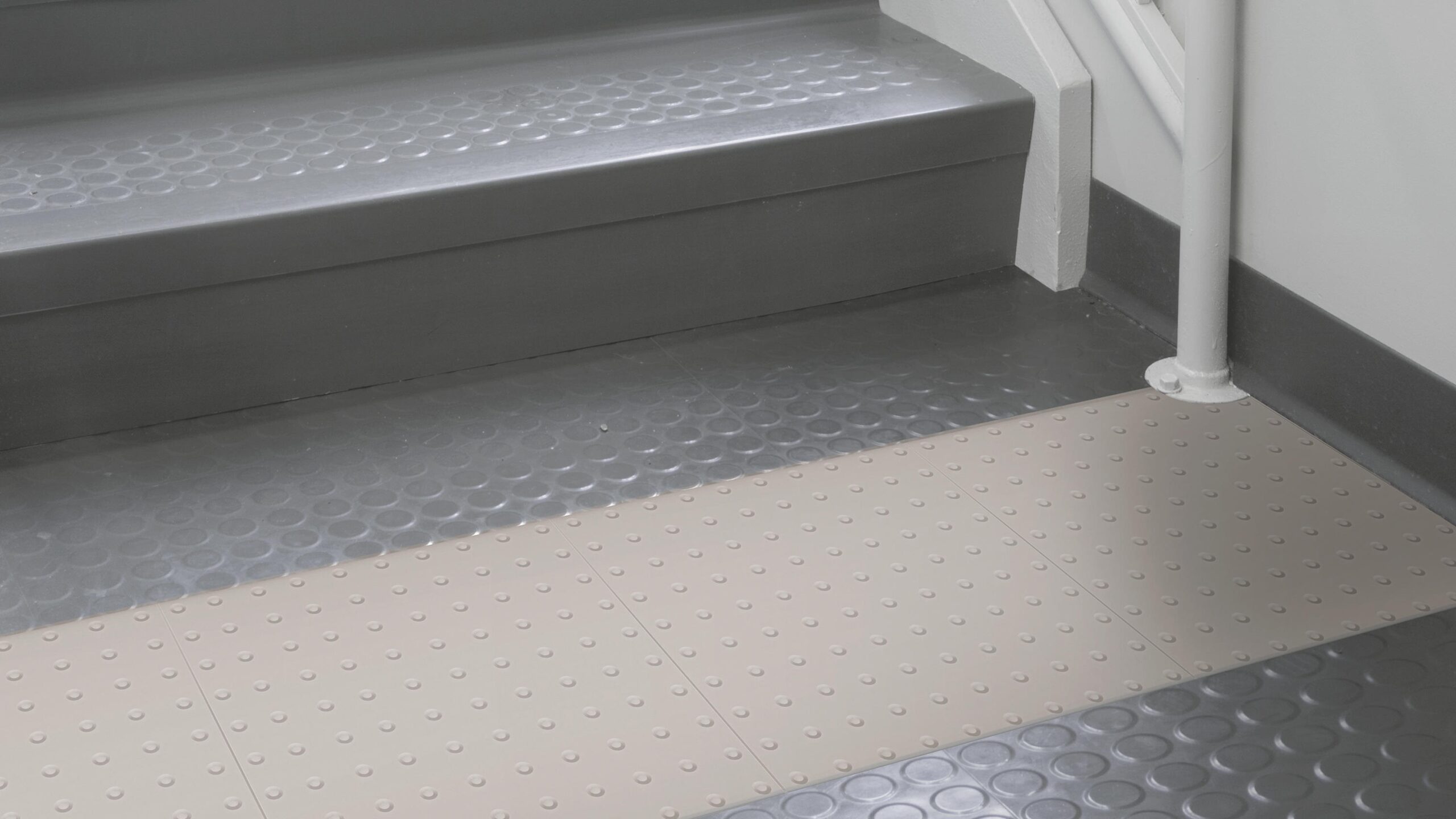
Detectable warning surfaces serve several important purposes, crucial in enhancing accessibility and safety in various environments. These tactile surfaces, typically characterized by raised domes or bars, are primarily designed to provide sensory cues to individuals with visual impairments. Here are ten key purposes of detectable warning surfaces:
Navigational aid: Detectable warning surfaces are strategically placed in pedestrian pathways to signal environmental changes, such as approaching a street crossing, transit platform, or the edge of a railway platform. This helps individuals with visual impairments navigate and orient themselves effectively.
Hazard warning: These surfaces alert pedestrians about potential hazards or transitions, such as the platform’s edge or the staircase’s beginning, allowing them to adjust their path and avoid accidents.
Legal compliance: Many jurisdictions mandate the installation of detectable warning surfaces in specific locations to comply with accessibility laws. Meeting these legal requirements ensures that public infrastructure is inclusive and accessible to all community members.
Crosswalk boundaries: Detectable warning surfaces are commonly installed at crosswalks to signal the transition between pedestrian walkways and vehicular traffic areas. This helps pedestrians with visual impairments identify safe crossing points.
Transit Platform identification: In transportation settings, detectable warning surfaces are often used to indicate the presence of transit platforms. This assists visually impaired individuals in locating the designated waiting areas for buses, trains, or trams.
Staircase landings: Detectable warnings are placed at the top and bottom of staircases and on landing areas to inform individuals with visual impairments about changes in elevation and the presence of stairs.
Pedestrian islands: In areas with complex intersections or pedestrian islands, detectable warning surfaces signal the separation between traffic flows, helping individuals with visual impairments navigate safely.
Building entrances and exits: Detectable warning surfaces are often installed near building entrances and exits to aid in wayfinding and assist individuals with visual impairments in identifying the transition from outdoor to indoor environments.
Safety for visually impaired individuals: One of the primary purposes of a detectable warning surface is to enhance safety for individuals with visual impairments. The distinct texture and color of the surface provide tactile and visual cues, signaling potential hazards like intersections, pedestrian crossings, or elevation changes.
Public amenity identification: These surfaces highlight the presence of public amenities, such as public restrooms, information kiosks, or seating areas, ensuring that individuals with visual impairments can easily locate and access these facilities.
Reducing accidents: The presence of detectable warning surfaces helps reduce accidents by alerting pedestrians and drivers to potential conflict points. This is particularly important in areas with heavy foot traffic or complex intersections.
Compliance with accessibility standards: Detectable warning surfaces are mandated by accessibility standards and regulations, such as the Americans with Disabilities Act (ADA) in the United States. Their installation ensures compliance with legal requirements and promotes inclusivity in the built environment.
Universal Design: Beyond aiding individuals with visual impairments, detectable warning surfaces contribute to the concept of universal design by creating spaces that are usable and accessible for everyone, including those with mobility challenges or other disabilities.
Final Thoughts
Detectable warning surfaces play a multifaceted role in creating accessible and safe environments for individuals with visual impairments, contributing to their ability to navigate public spaces independently and confidently.