

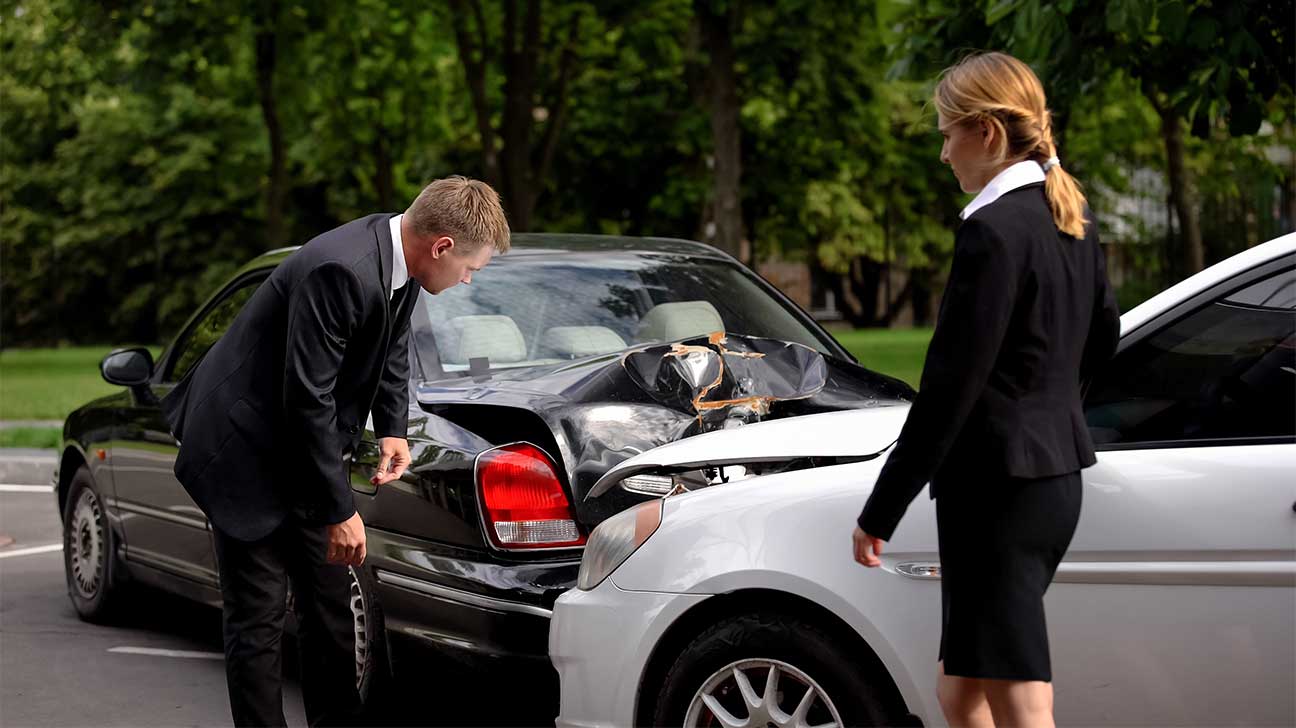
What is negligence in car accidents? In legal terms, negligence is the failure to act with reasonable care under similar circumstances. Negligence can include both actions and omissions. Essentially, the duty to act includes helping the injured victims of past conduct. The key to determining negligence is to define what constitutes reasonable behavior. The theory of negligence holds that even an unintentional collision can cause an injury. In other words, the defendant’s failure to take reasonable care can be a direct cause of the accident.
Defendant’s lack of care was the direct cause of the accident
A claim for negligence must establish that the defendant’s actions were negligent and that the injured plaintiff was directly harmed. This can be complicated if multiple injuries or occurrences occur, because assigning responsibility is difficult. However, in many cases, if the defendant’s actions are the direct cause of the accident, the plaintiff will still be entitled to compensation. This is the most common scenario and a car accident lawyer can help.
Essentially, the defendant violated a duty of care to another driver. Basically, the defendant violated the law by failing to take reasonable care to avoid an accident. The burden of proof increases if the defendant committed a criminal act, as this would be easier to prove. In the case of a rear-end car accident, for example, the plaintiff would need to prove that the defendant was distracted or driving recklessly, or texting while driving.
Examples of negligence in car accidents
Negligence can be defined as taking one’s eyes off the road while driving. Distracted driving can cause a serious accident, resulting in major injuries and even fatalities. Examples of distracted driving include talking on a cell phone, changing the radio station, and talking to passengers. Taking one’s hands off the steering wheel while driving is also negligence. Using your cell phone while driving is a risky activity that can lead to an accident.
Another example of negligence can happen when a driver fails to observe a traffic signal. Imagine two drivers approaching an intersection and the light is turning red. One driver thinks that it’s safe to proceed through the intersection on the red light, but the other driver, with a green arrow, turns left. Clearly, the driver with the green arrow failed to obey the traffic signal, resulting in a collision.
Defendant’s breach of duty of reasonable care caused actual damages
To pursue a claim for actual damages, a plaintiff must prove a breach of a defendant’s duty of care. This duty includes failing to warn a driver about a red light or a speeding vehicle. Whether or not a defendant was negligent is a matter of fact, but proving a breach requires a high level of proof.
The first step in making a claim is proving that the defendant’s breach of duty of care was the proximate cause of the accident. For example, if a plaintiff slipped and fell in a sporting goods store, the retailer would be liable for the injury. But if the defendant failed to take reasonable care, the plaintiff would likely win.